




Sports Wear
High-performance fabrics

Skilled labor, vertical supply chains and decades of export know-how in one city.
Sialkot is a mid-sized city in northeast Punjab, close to the Indian border. On a map it doesn't look like a manufacturing powerhouse. Yet it ships footballs, sportswear, gloves, leather goods and surgical instruments to brands all over the world, and has done for generations.
So what makes one city so good at making things for export? The answer is a mix of history, skills, infrastructure and a business community that has repeatedly built what it needed for itself.
Sialkot's manufacturing tradition goes back well over a century. Workshops making sports goods and surgical instruments grew up in the late 1800s and early 1900s, supplying markets across the British Empire. Those early industries created a culture of precision handwork that was passed down through families and workshops.
Over time, that same craft base spread into new products. The skills used to stitch footballs and cut leather translated naturally into gloves, sportswear and apparel.
Sialkot is best known for footballs. For decades, a large share of the world's hand-stitched footballs have been made here, and Sialkot manufacturers have supplied match balls for major international tournaments, including the FIFA World Cup. That reputation for quality and consistency opened doors for the city's apparel and sportswear makers too.
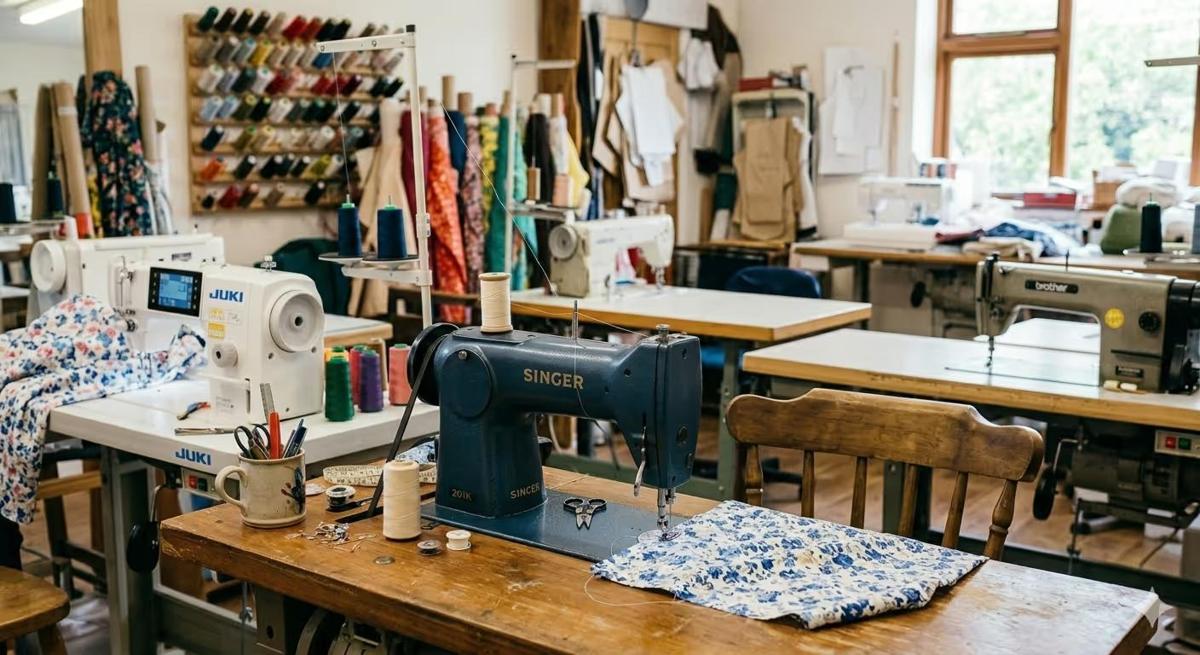
The city's biggest advantage is its people. Generations of cutting, stitching, embroidery and finishing experience mean there's a deep pool of skilled workers, supervisors and technicians. Factories can find people who already understand tight tolerances, export quality standards and technical garments.
“In Sialkot, the skills aren't in one factory. They're in the whole city.”
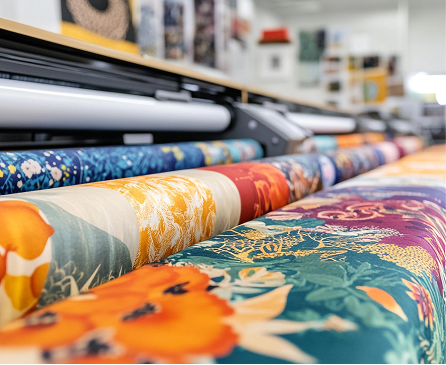
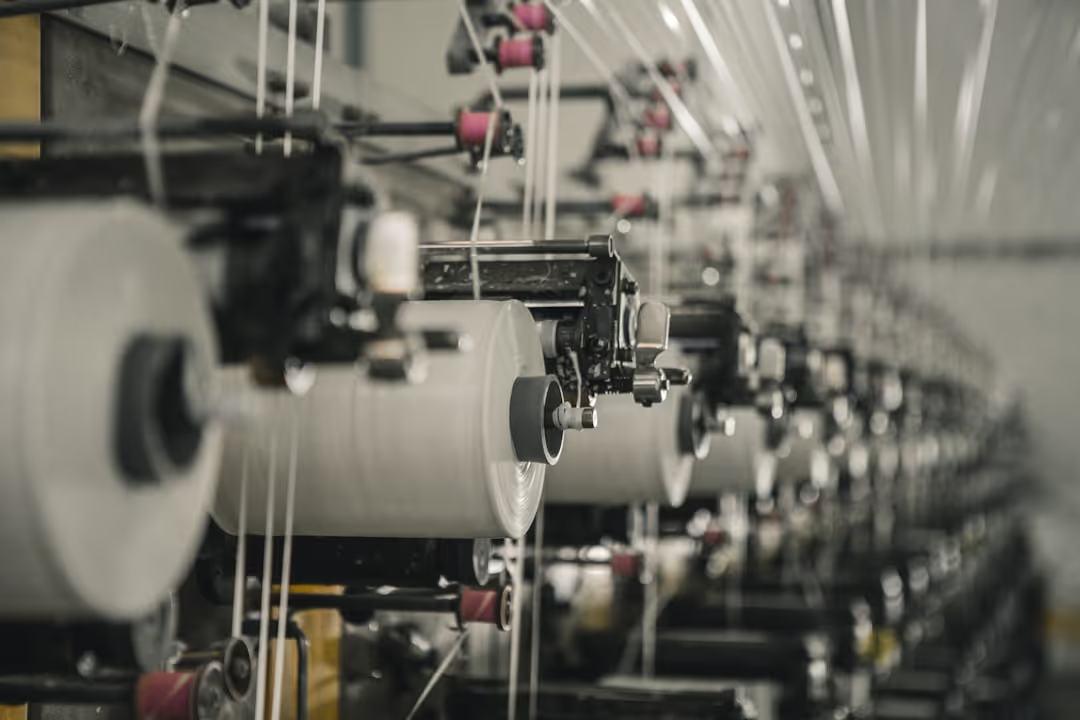
Within a short drive of each other, Sialkot has knitters, dyers, printers, embroiderers, trim suppliers, packaging makers and testing services. That density means a manufacturer can move from yarn to finished, packed garment without relying on distant suppliers.
For buyers, this shows up as faster sampling, quicker problem-solving and fewer delays waiting for components to arrive from elsewhere.
Sialkot's exporters have a history of building the infrastructure they needed when it didn't exist. The business community established the Sialkot Dry Port, one of the first of its kind in the private sector in Pakistan, so goods could be customs-cleared locally. Local industrialists also came together to fund Sialkot International Airport, which opened in 2007 and lets exporters ship air freight directly from the city.
That self-reliant, export-first mindset is still part of how the city works today.
Decades of shipping to Europe, North America and beyond have given Sialkot manufacturers deep experience with international buyers: their quality standards, compliance audits, documentation and lead times. For a brand sourcing from Pakistan for the first time, that experience removes a lot of risk.
The city is also known for footballs and other sports goods, gloves, leather products and surgical instruments.
Sea freight usually moves through Karachi, with customs clearance available locally at the Sialkot Dry Port. Air freight can ship directly from Sialkot International Airport.
Yes. Sialkot International Airport has international connections, and we regularly host clients for factory visits and sampling sessions.
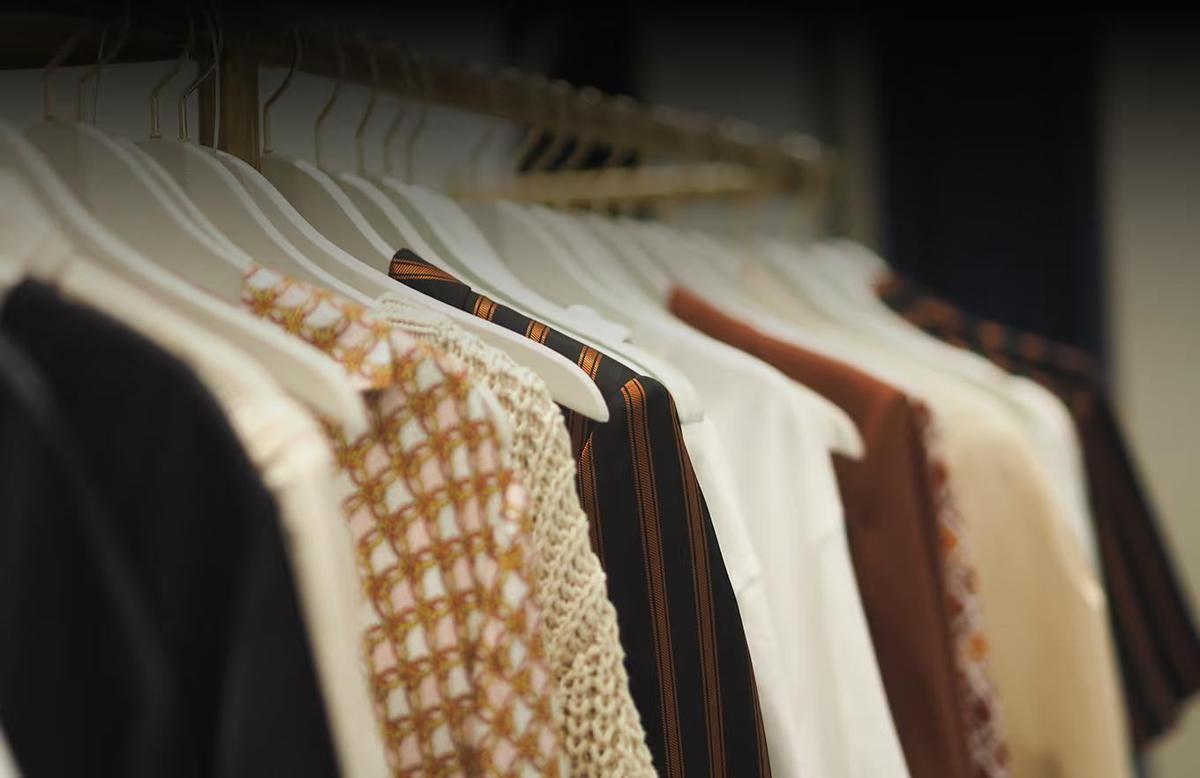
Sialkot's specialised skills and compact supply chain make it particularly strong for sportswear, teamwear and technical garments.
Send us your tech pack or a reference garment. We'll recommend a fabric and send swatches.
